
Ethical Models of AI-Assisted Authorship: Key Studies
Explore key studies on ethical AI-assisted authorship, human accountability, contribution taxonomies, and practical disclosure templates for researchers.

Explore key studies on ethical AI-assisted authorship, human accountability, contribution taxonomies, and practical disclosure templates for researchers.
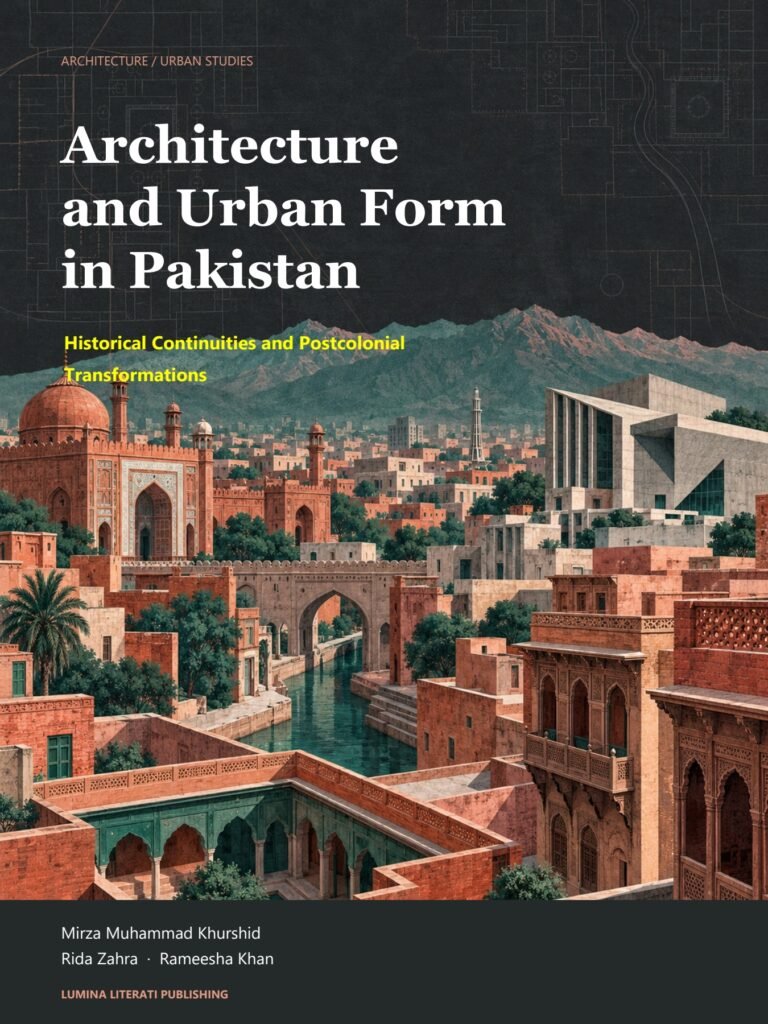
A study of Pakistan’s settlement patterns, architectural traditions, colonial land administration, postcolonial development, housing markets, and urban conservation.
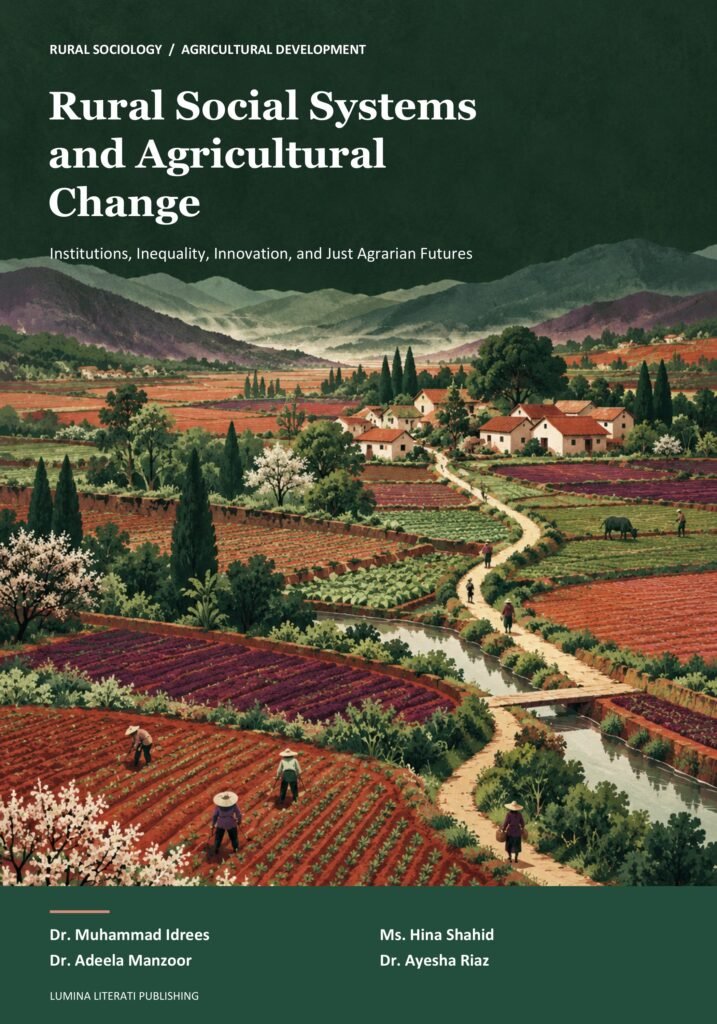
An evidence-based study of how institutions, inequality, innovation, markets, and mobility shape agricultural change and rural livelihoods.
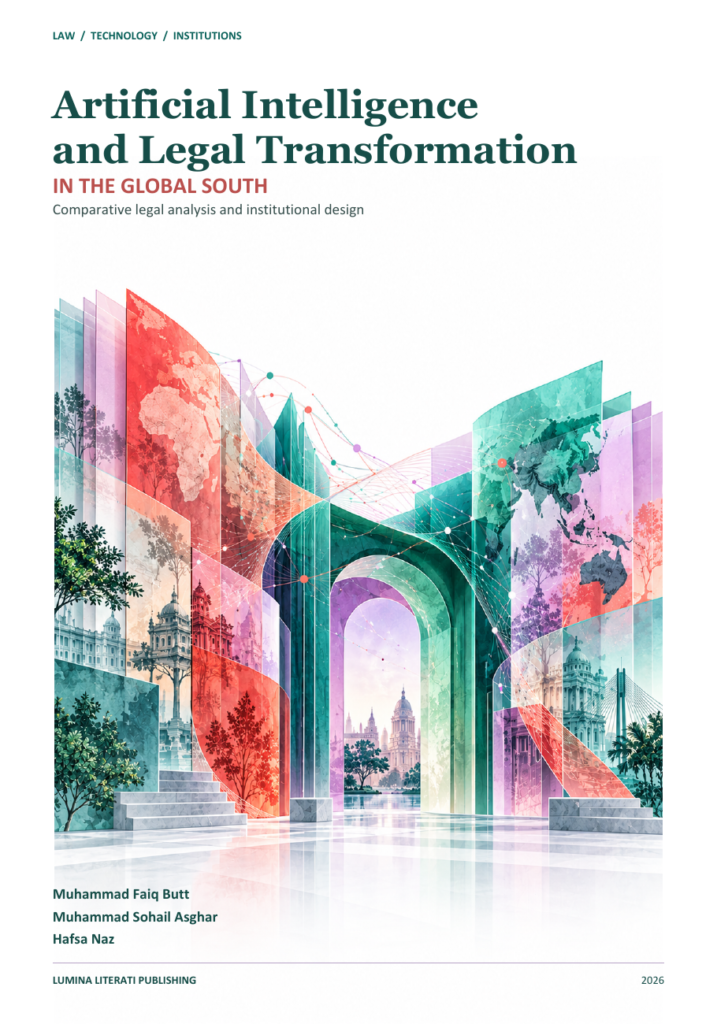
Artificial Intelligence and Legal Transformation in the Global South examines when AI assistance becomes consequential control in legal institutions, how legal systems distribute that control, and what an affected person needs to challenge it. It is written for scholars of law and technology, lawyers, courts, public authorities and those designing or procuring legal services.
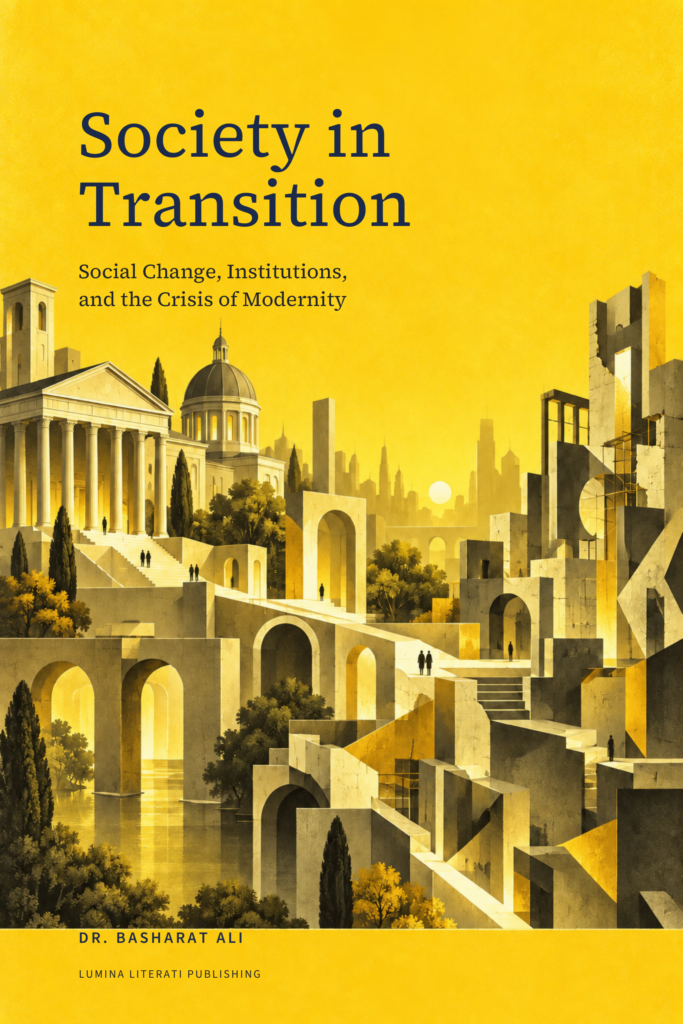
A sociological examination of social transition, institutional change, inequality, trust, and the crisis of modernity, with a framework for comparative research and inclusive institutional responses.
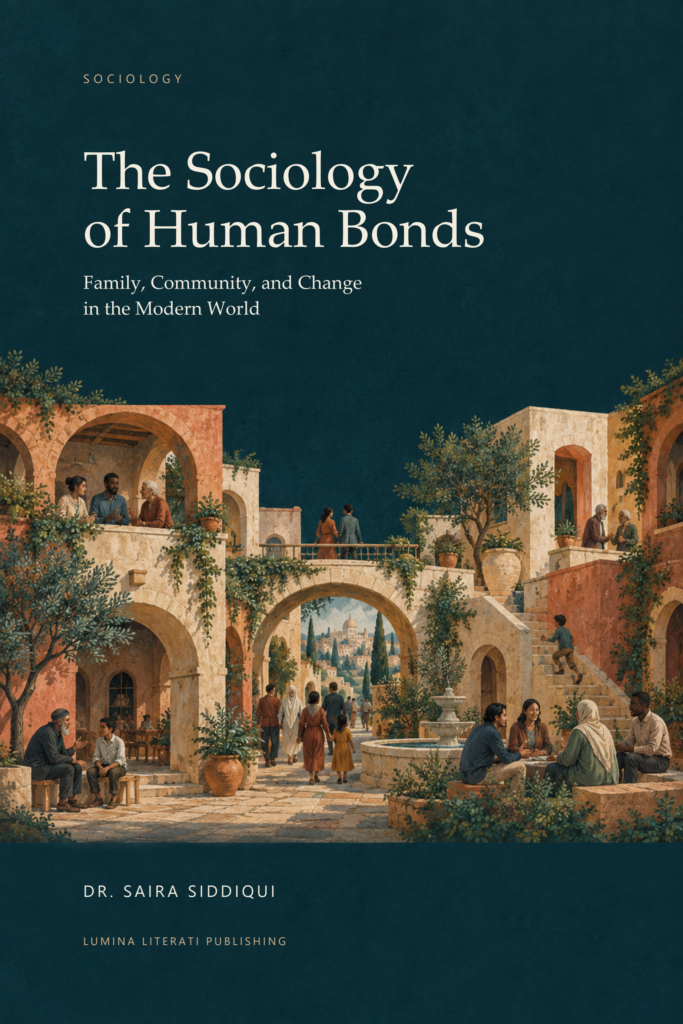
A sociological study of how family, friendship, community, and digital ties are formed, maintained, and reshaped by social change.
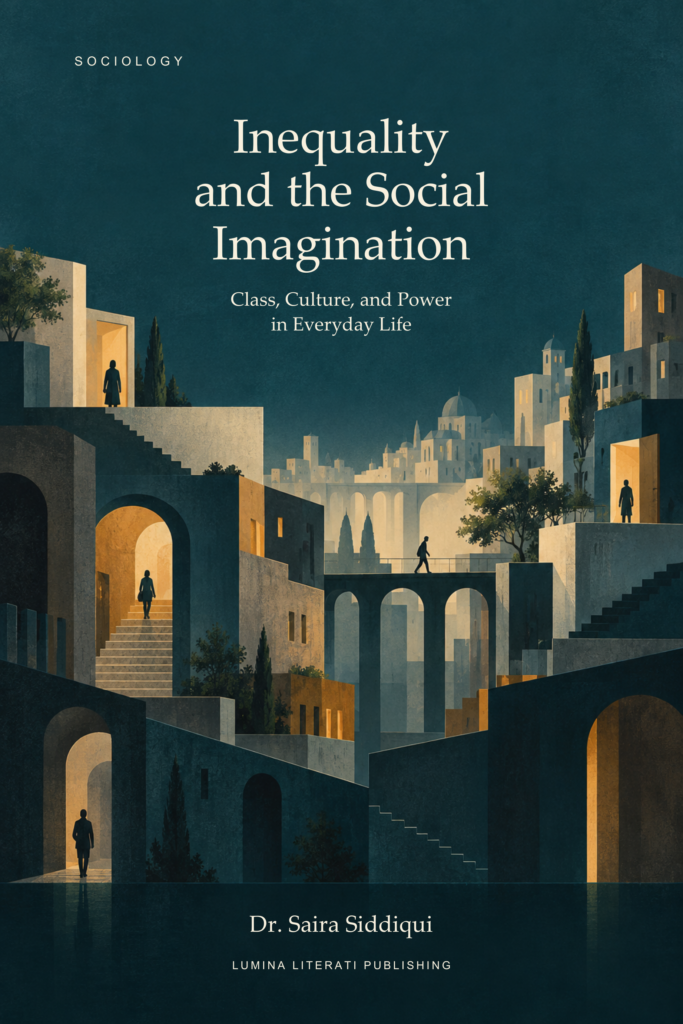
How class, culture, institutions, and emotions shape everyday inequality, and how collective imagination can expand the possibilities for equality.

Beyond the Rubric explores assessment as an ongoing dialogue through which students learn to interpret standards, use feedback, and judge quality. Dr. Naeem Fatima connects theory with illustrative designs, offering educators and institutional leaders a conceptual framework for more participatory, equitable, and sustainable assessment in higher education and professional learning.
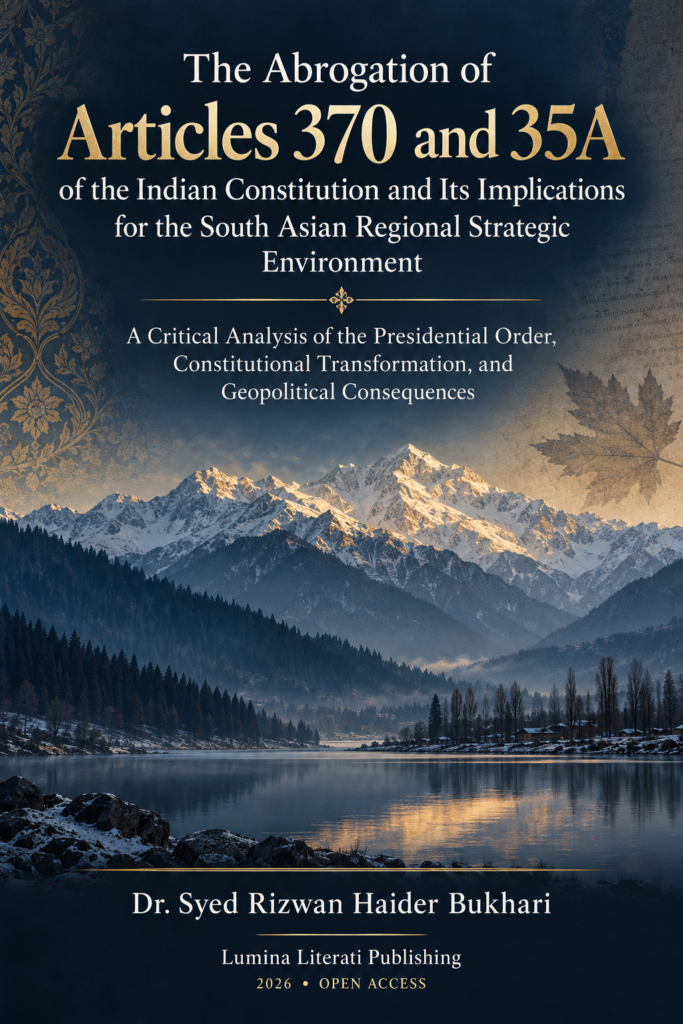
An examination of the historical, constitutional, political, and strategic implications of the abrogation of Articles 370 and 35A for Jammu and Kashmir and the South Asian regional environment.
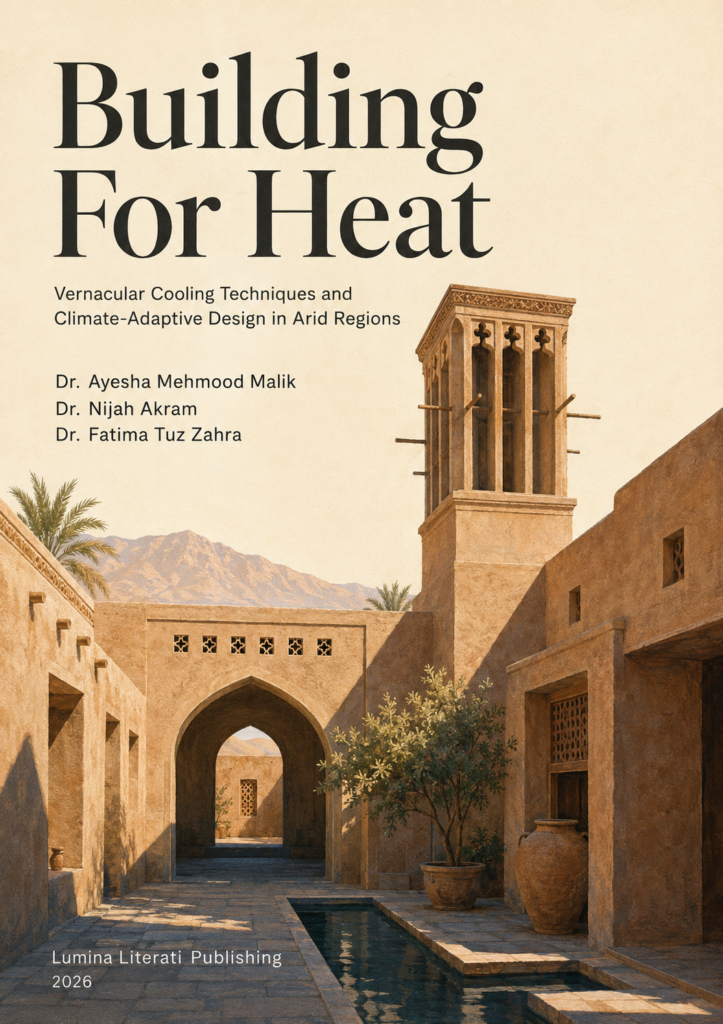
An examination of vernacular cooling principles, building performance, heat inequality, and climate-adaptive design and policy in arid regions.